

What Award Winning Cinematographers Bring
Industry · Glenn Hanns ACS · SydneyA strong reel — like the one at glennhanns.com — is the industry's calling card. It grabs attention and sets the tone. But for directors and producers facing the mounting pressure of a production, a showreel is only the opening act. The real question they are actually asking is: can this Director of Photography carry the visual responsibility of the job when the clock is ticking and the weather is turning?
For a seasoned professional like Glenn Hanns ACS, the value of industry recognition isn't just about the trophy. It confirms a track record of judgement, consistency and authorship. It signals that this is a cinematographer who has already navigated the competing demands of performance, coverage and time pressure without losing the film.
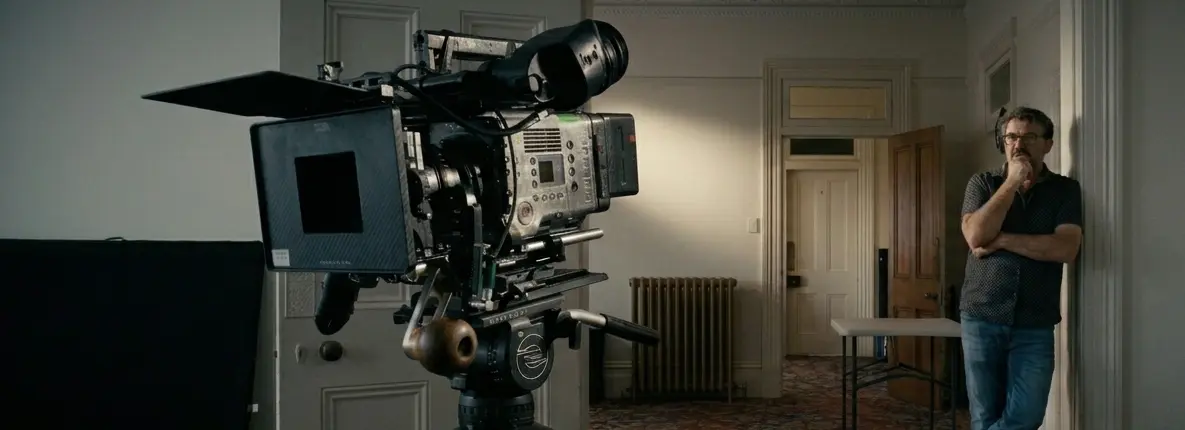
Why Accolades Matter on Serious Productions
Awards serve as a vital signal in a competitive market, indicating that work has stood up to the scrutiny of experienced peers and guilds. They indicate to producers that several questions about competency have already been answered.
De-Risking the Project
For producers, recognised credentials reduce risk. Financing conversations and agency confidence rely on stability — they need to know their DP has already proven their craft under conditions that matter. That is one reason established screen work carries weight. Awards, ACS accreditation, major credits and formal training do not replace the work itself, but they do indicate a level of professional consistency. For decision-makers managing finance, delivery and creative risk, that consistency has practical value.
Protecting the Narrative
For directors, the value is personal. It points to a collaborator who does more than light a scene beautifully. It suggests someone who can interpret tone and protect the visual language of a project over its full duration. In long-form drama, that consistency is the difference between isolated strong images and a fully realised screen work.
Building Systems, Not Just Shots
The mark of a seasoned cinematographer is often invisible in a single frame. It is found in how the work holds together across locations and weeks of shooting and how that visual arc is presented.
Designing Visual Systems
Experienced DPs understand that a production needs a grammar. Whether it is lens strategy, movement philosophy or colour relationships, these rules must support the story. A cinematographer who has navigated complex narrative feature films like Moon Rock for Monday and Forbidden Ground brings that system-building discipline to every project — while knowing when restraint better serves the material than ambition.
The Art of Constraint
Most productions don't falter for a lack of ideas. They struggle when location realities, time or weather demand rapid compromise. A background in innovating custom camera rigs and solving technical challenges on the fly means the greater the craft, the less visible those compromises are on screen.
Collaboration as Core Craft
Cinematography is a constant, high-stakes dialogue with production design, VFX and the AD team. Recognition at a professional level typically stems from work where that collaboration was handled with maturity. Whether it is managing large crews or resolving the interpersonal pressures of a long shoot, temperament and clarity are as vital as the ability to pull a crisp focus.
The Australian Context
Working within the Australian production environment requires a specific set of skills. Budgets are often tight, locations can be unforgiving, and schedules demand extreme efficiency. This environment rewards cinematographers who possess both technical excellence and the pragmatism to deliver high-end results — a standard upheld across thousands of broadcast news stories and extensive documentary series including Deadly Women and The Good Cop. Industry markers such as ACS accreditation carry significant weight because they reflect a practice assessed by peers who understand these specific challenges.
Finding the Right Fit
When a cinematographer is the right fit, the prep phase becomes sharper. Conversations around design and location become more specific. Producers gain confidence that visual ambition is being matched with practical realism.
Ultimately, the best cinematographers don't just chase a look. They ask the difficult questions about schedule and staging in service of the film. Awards may open the door, but the real advantage lies in the habits behind them — clear taste, sustained discipline and the ability to build images that hold their meaning across the full length of a film or series.
The strongest choice is rarely the loudest one. It is the cinematographer whose body of work suggests they can carry the story with precision, especially when the conditions are less than ideal.
Glenn Hanns ACS is a Sydney-based Director of Photography specialising in feature drama, television and documentary. View his showreel, read more on what a feature film cinematographer does, or get in touch via the contact page.