

What a Short Film Cinematographer Does — and Why It Matters
Industry · Glenn Hanns ACS · Sydney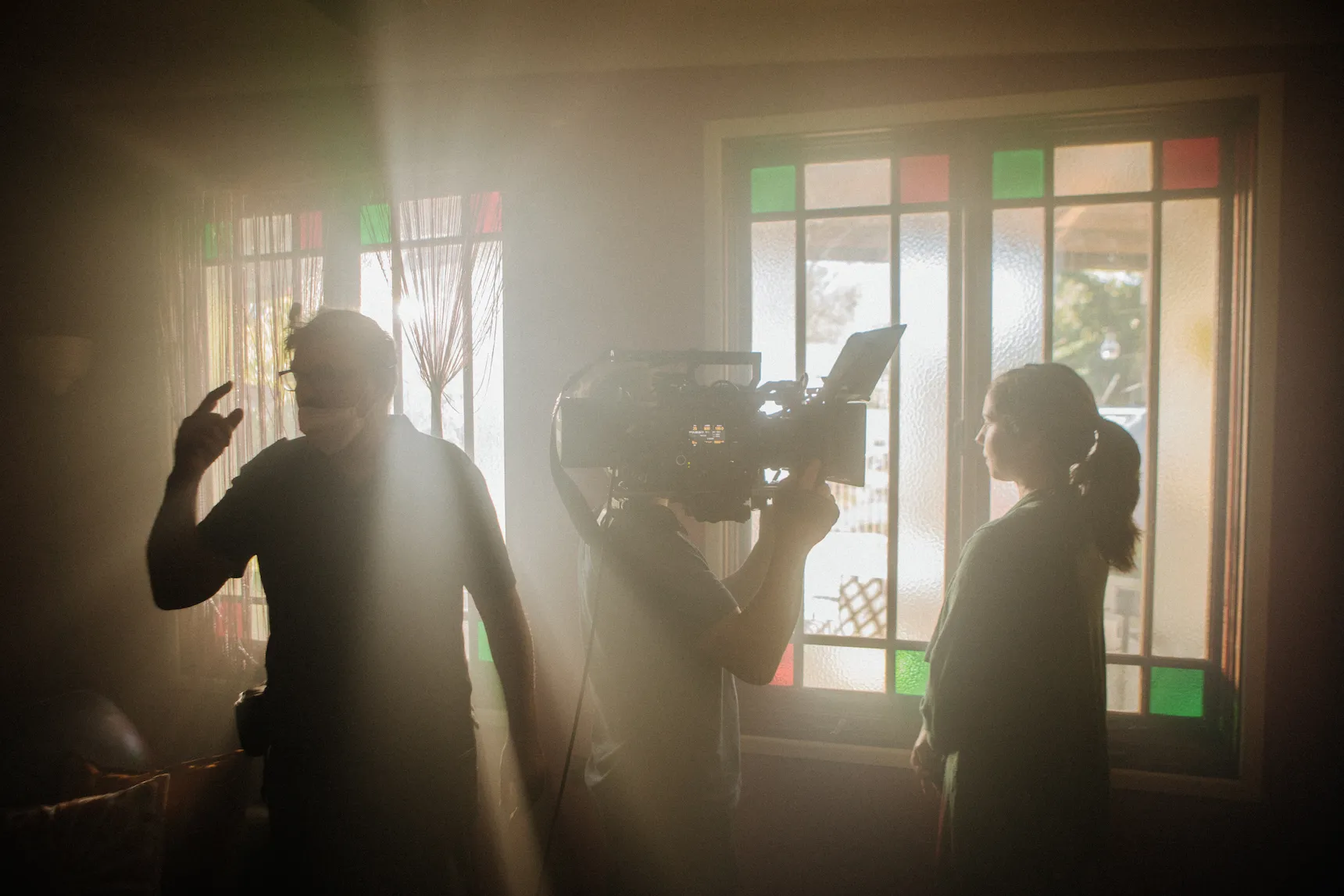
A short film cinematographer is often hired late and judged early. Before the first day of principal photography, the role has already influenced whether a script feels contained or expansive, credible or undercooked, disciplined or improvised in the wrong places.
On a short, there is very little room for recovery. The schedule is compressed, the budget is finite, and the film still needs a visual language strong enough to justify its running time. That is where cinematography stops being a technical department and becomes a producing decision. The right choice is not simply a camera operator with taste — it is a collaborator who can interpret dramatic intent, protect the schedule, and turn limitations into a coherent screen result.
What a Short Film Cinematographer Actually Does
The title can be misunderstood, particularly on smaller productions where roles blur. A cinematographer is responsible for the visual execution of the film, but that responsibility starts well before camera is turned over. In practical terms, the role covers lensing, lighting strategy, camera movement, exposure, composition, workflow and the overall photographic logic of the project. More importantly, it involves making those decisions in service of story.
On a short film, scale can be deceptive. A ten-minute drama may require more visual precision than a longer project because every scene carries more narrative weight. There is less tolerance for repetitive coverage, decorative imagery, or visual ideas that do not support character and tone. The cinematographer helps determine how the audience reads the film — whether the camera observes, pressures, isolates, withholds, or reveals.
That contribution is creative, but it is also operational. A capable short film cinematographer will assess locations with the schedule in mind, understand what can be achieved with the crew size available, and establish a visual approach that the production can actually sustain. Ambition matters. So does control.
Why Shorts Demand Clarity, Not Excess
One of the common mistakes on short-form narrative work is confusing production value with visual volume. More movement, more lighting changes, more coverage and more gear do not necessarily lead to a stronger result. In many cases they do the opposite — consuming time, fragmenting the day, and diluting the intent of the scene.
A short needs visual clarity. That means deciding early what kind of film it is. If the drama depends on tension and point of view, the camera grammar should support that. If the piece relies on intimacy, then lens choice, operating style and lighting should preserve emotional proximity rather than flatten it into generic polish.
A simple frame, properly motivated, will outperform a complicated one that exists only because it looked impressive on the shot list.
This is where an experienced cinematographer becomes particularly valuable. Taste is only part of the equation. Judgement is what keeps a film from overreaching in the wrong areas.
The Pre-Production Questions That Matter Most
The best short film cinematography is usually built in prep, not rescued in post. Directors and producers do not need endless paperwork, but they do need the right conversations early enough to affect outcomes.
The first is tonal alignment. How restrained or expressive should the photography be? Is the film grounded, heightened, subjective, formal, raw? Those choices affect every practical decision that follows, from camera package to lighting footprint. On Manifestation — shot inside a hotel with documented hauntings, which also served as cast and crew accommodation for the duration — the decision to use vintage Leica R primes on the Canon C500 was made in prep precisely because their softer, more characterful rendering suited a story leaning into the uncanny. That choice was inseparable from the tone.
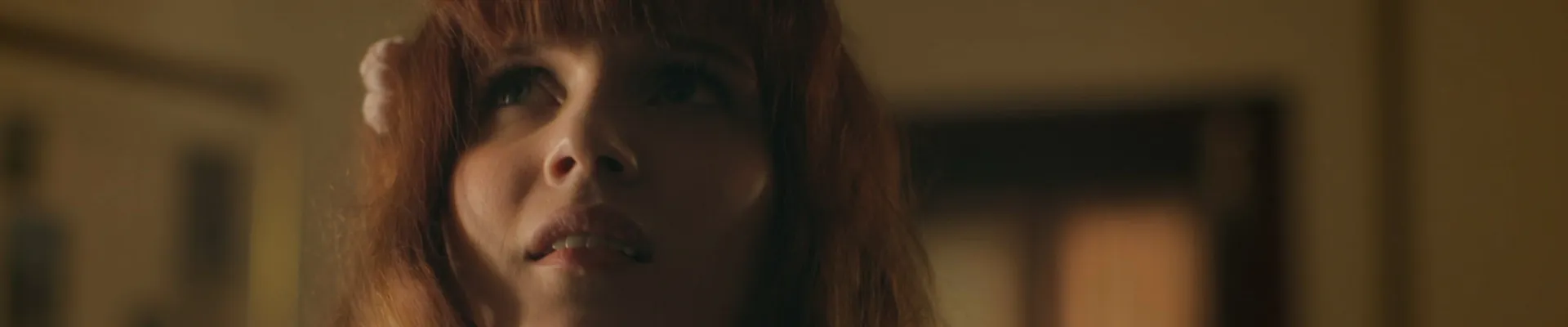
The second is scale. What does the script ask for, and what can the production genuinely support? A cinematographer should be able to identify pressure points quickly — night exteriors, company moves, cramped locations, weather exposure, or scenes that will collapse if rushed. The third is visual hierarchy. Not every scene requires the same level of complexity. A disciplined cinematographer knows where to spend time and where to simplify.
Hiring a Short Film Cinematographer
For producers, the hiring decision is partly about reel and credits, but those are not enough on their own. Short films often operate with fewer buffers than features or series work. The cinematographer needs to bring not only visual intelligence but also set judgement, communication skills and a calm relationship to constraint.
A strong body of work should show consistency of dramatic thinking rather than one repeating style. What matters is whether the cinematographer can respond to different scripts while maintaining photographic authority. The conversation around prep is equally revealing. A cinematographer who asks precise questions about tone, schedule, locations, production design, post pathway and deliverables is usually thinking like a department head. Producers are not hiring equipment. They are hiring decision-making.
For directors, trust is central. The relationship works best when the cinematographer can challenge an idea without derailing momentum, and refine an approach without flattening the director's voice. A short is too compressed for territorial filmmaking. My long-standing collaboration with director Josh Groom — across shorts, drama and music video — works precisely because we arrived at a shared visual language through AFTRS together. By the time we're on set, most of the critical decisions are already resolved.
Where Production Value Really Comes From
Production value in short-form narrative work is often attributed to camera systems, lenses or lighting inventory. Those factors matter, but they are not the first driver. Real production value comes from consistency — a visual world that feels considered from start to finish.
That consistency is usually the product of a few disciplined choices. Exposure that holds a scene's emotional tone. Camera placement that reflects character rather than coverage anxiety. Lighting that shapes faces and space without calling attention to itself. Movement used when it adds tension, release or subjectivity, not simply because the rig is available.
Within most short film parameters, coherence will read more strongly on screen than excess. A well-photographed low-budget short can carry significant authority if the visual language is controlled.
The Trade-Offs on Set
Every short film makes trade-offs. The useful question is whether those compromises are strategic or accidental.
A fast day may require simpler coverage in one scene so that a more demanding sequence can be protected later. A location with limited access may favour a lighter lighting plan and stronger blocking. A reduced crew may shift the camera approach toward more exact framing rather than constant resets. None of those choices are failures. They are part of cinematography.
Problems emerge when the visual strategy does not account for the real conditions of the shoot. The cinematographer's role is not to pretend those conditions do not exist. It is to design around them without lowering the standard of the film.
Why the Choice Matters Beyond the Shoot
A short film often carries more than one job. It may need to perform creatively, attract festival attention, support funding conversations, or serve as a proof-of-concept for a feature or series. The cinematography has a direct effect on how seriously the work is received.
That does not mean every short must look glossy. It means the images should feel authored. Commissioners, programmers and collaborators can usually tell when a film understands its own visual terms. They can also tell when the photography has been left to chance.
For filmmakers in Sydney and across Australia seeking a serious dramatic outcome, the short film cinematographer is not a final hire to fill a department chart. It is one of the decisions that defines whether the project arrives with authority.
If the script has a clear point of view, the photography should too. Everything becomes easier once those two things are in agreement.
Glenn Hanns ACS is a Sydney-based Director of Photography specialising in feature drama, television and documentary. His short film credits include Manifestation, The Briefcase and AFTRS Masters short Bleeders, which was nominated for the Golden Tadpole at Camerimage in Poland. For project enquiries visit the contact page.